
Frames
(CO-)FOUNDED FRAMEWORKS
The frames are not biography. They are work.
A frame is a thing the artist builds that holds other people’s work, ideas, rooms, or bodies. The frame is the work. What it holds is what it holds.
Each frame is built with the same constraints as the paintings: refuse the easy version, keep the body and the idea in the same room, don’t outsource what makes the work the work.
AIR Ubud studio, Bali
Spielraum (Berlin, 2005) was a gallery, a club, and a community in one room. It was the first frame and the prototype for every frame that followed: a hybrid format that refused to choose between exhibition and event, between art and life, between artist and audience. The question it asked was the simplest one: how does art circulate? And the answer it built was a room where that circulation could happen on its own terms.
CRE8 Foundation (2011–2018) began as a four-month residency at Ramana’s Garden Orphanage in Rishikesh and grew into a seven-year project of children’s art workshops across more than forty countries. The methodology was collaboration as the work itself, with the workshop as substrate and the exhibition as residue. Ping Pong Painting across twenty-plus countries: the artist draws, the child draws, the artist draws, the child draws, until the work emerges. The Most Realistic Alien (started in 2009) made every child a co-author, every drawing credited by name and country. Didac, age 5, Spain. Marinela, age 9, Tokyo. Karen Sofia, age 10, Colombia. The works were exhibited at Bangkok Art and Culture Centre and elsewhere. Run with seven or eight people across multiple geographies, on a donation-based funding model that proved structurally exhausting.
CRE8 closed in 2018. The lesson was direct: a frame that depends on someone else’s continued enthusiasm is a frame on loan. Frames have to hold their own weight or they aren’t frames — they’re someone else’s project with the artist’s name on it. The lesson became infrastructure. The frames built after 2018 were built differently.
The frame is not infrastructure for the artwork. It is the artwork at a different magnitude, built because the artwork’s question required it.
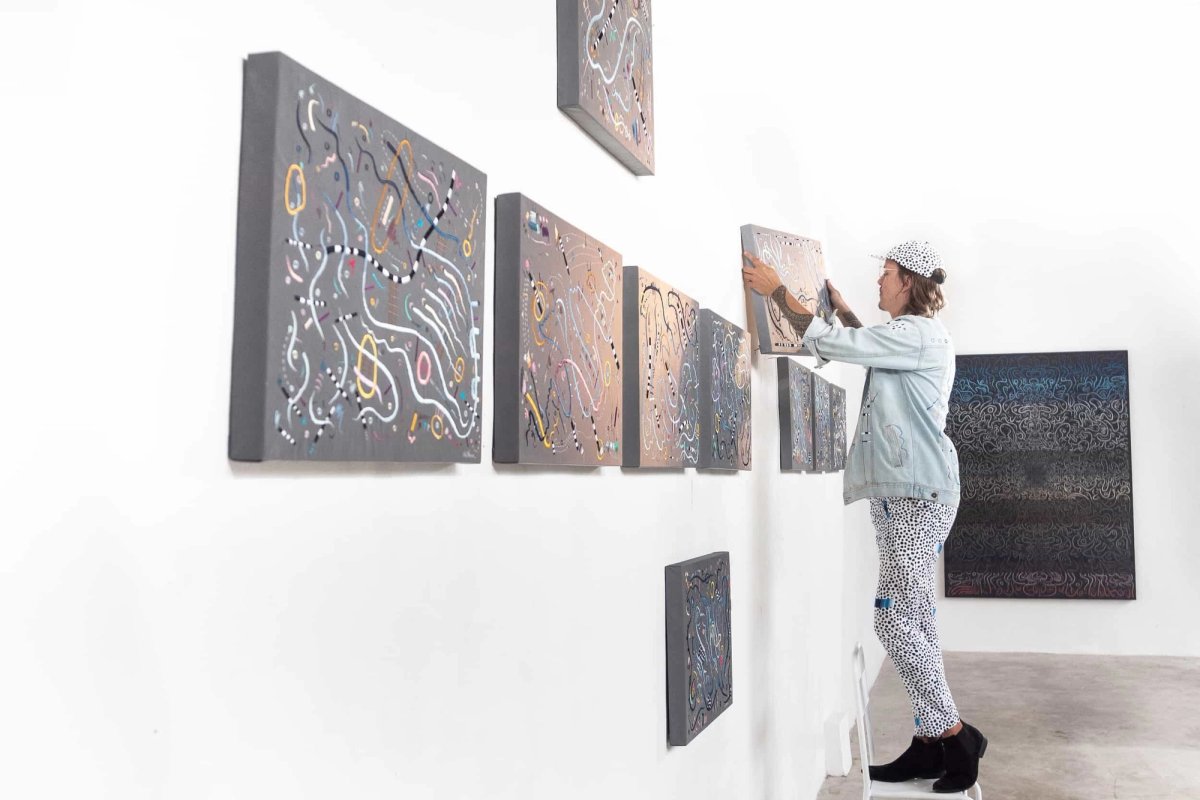
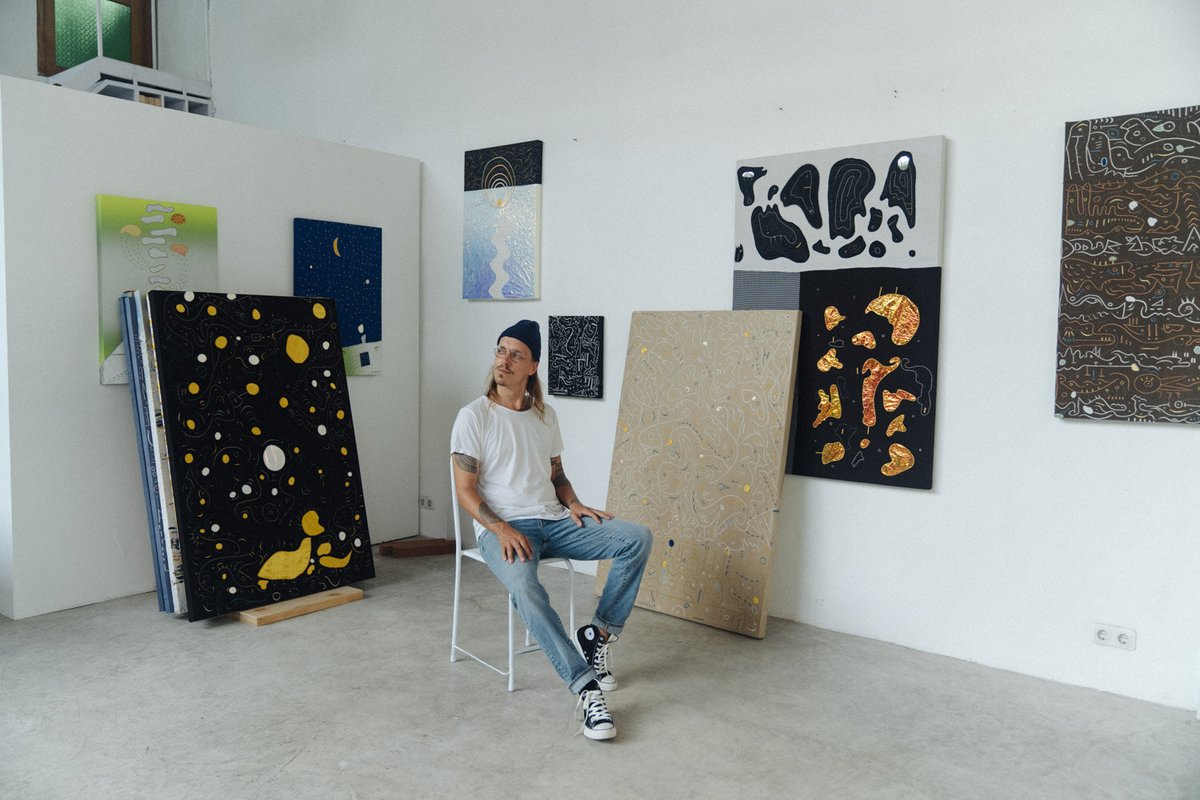
AIR Open Artist Residency began in downtown Ubud in 2013: six units and one giant shared 300m² studio, where artists share the studio and meals and one unit has its own kitchen. In 2018, the same logic was built in Trancoso, Bahia — three years in Brazil, then handed on. What the frame provides is what every artist needs and almost no institution will provide without conditions attached — time, space, structure, and silence to make their own work in.
Some artists need more quiet and a studio of their own. AIR Temple (Desa Kenderan, twelve minutes from Ubud) was built for them — four houses beside a thousand-year-old water temple, near Tegalalang, a waterfall, a river, and rice paddies, in a small local Balinese village away from the tourism center, still close enough to reach everything Ubud offers. Same frame, same refusal to attach conditions, different format. Both run under one website.
UKENA (2020–) is a wearable artwork distributed across bodies, with a seven-layer chain of authorship that names the wearer as co-author. I AM YOU (electronic music label co-founded with Deer Jade in 2024) is a stack of named collaborations—including AI as one collaborator among several—with the human hand-mark made mandatory and visible. UNFUCK YOUR CREATIVITY (book, 2024) is twenty years of the methodology in one form. CINIS (2026) is a wedding artwork structured as a legal contract.
The practice operates in the tradition of Joseph Beuys’s erweiterter Kunstbegriff (the expanded concept of art), which holds that art is not limited to objects in galleries but extends across social forms, institutions, pedagogy, and the structures of daily life. The frames are how that expansion is made operational. They are not illustrations of a theory. They are the practice applying that logic at a different scale.
I do not call these side projects. I do not call them biography. I do not call them brand extensions. I built them because the studio practice required structural autonomy to remain honest, because the gallery system is one venue among several and not the only legitimating one, because new ideas only happen in combination with something else, and because the future is more direct: artists with their own audiences, fewer middlemen, less gatekeeping, more conversation across more surfaces. The frames are how the work happens. They are also part of what the work is.
-
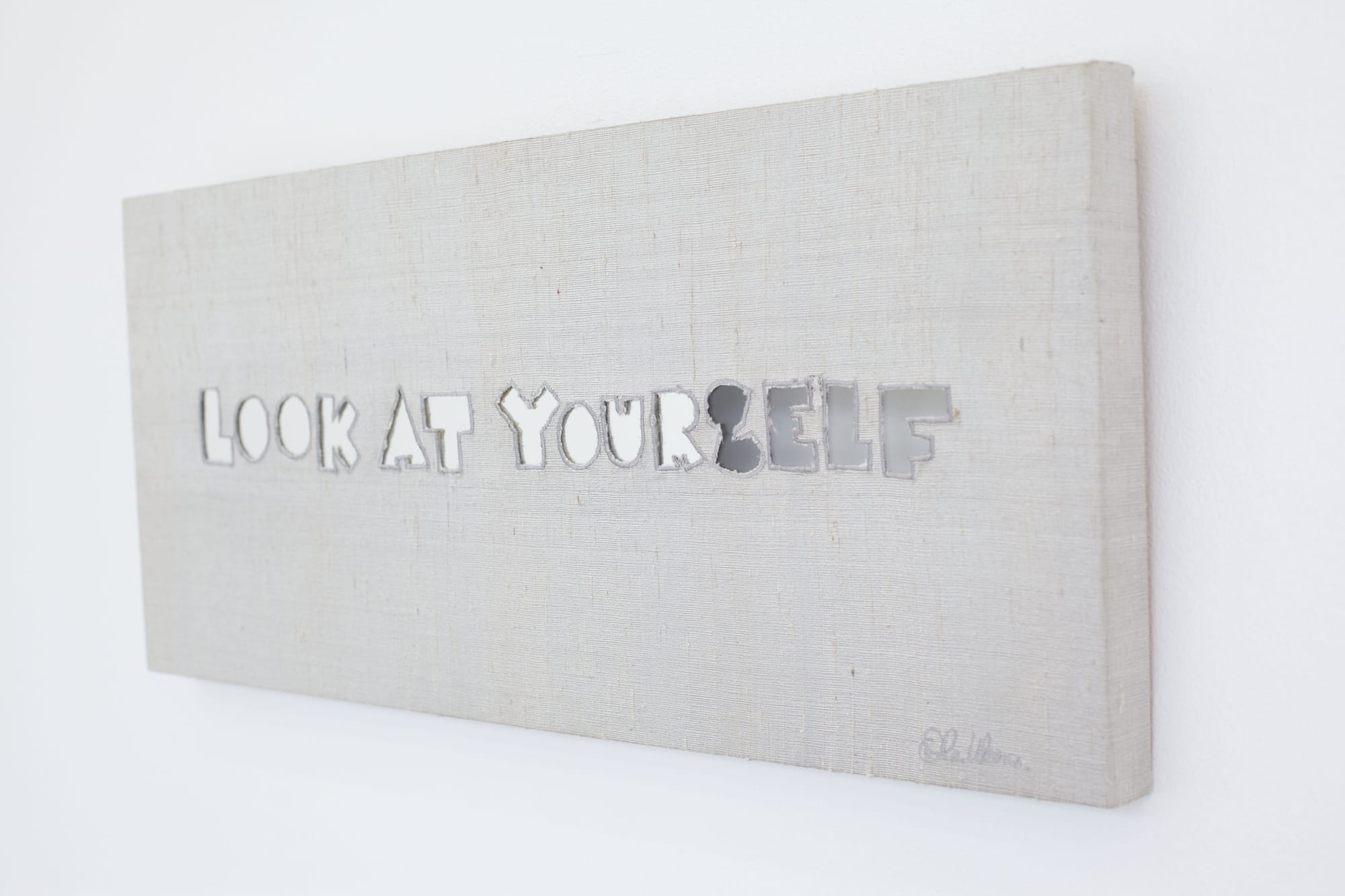 2005 Spielraum
How does art circulate?
A gallery, a club, and a community in one room. The first frame and the prototype for every frame that followed — a hybrid format that refused to choose between exhibition and event, between art and life, between artist and audience.
-
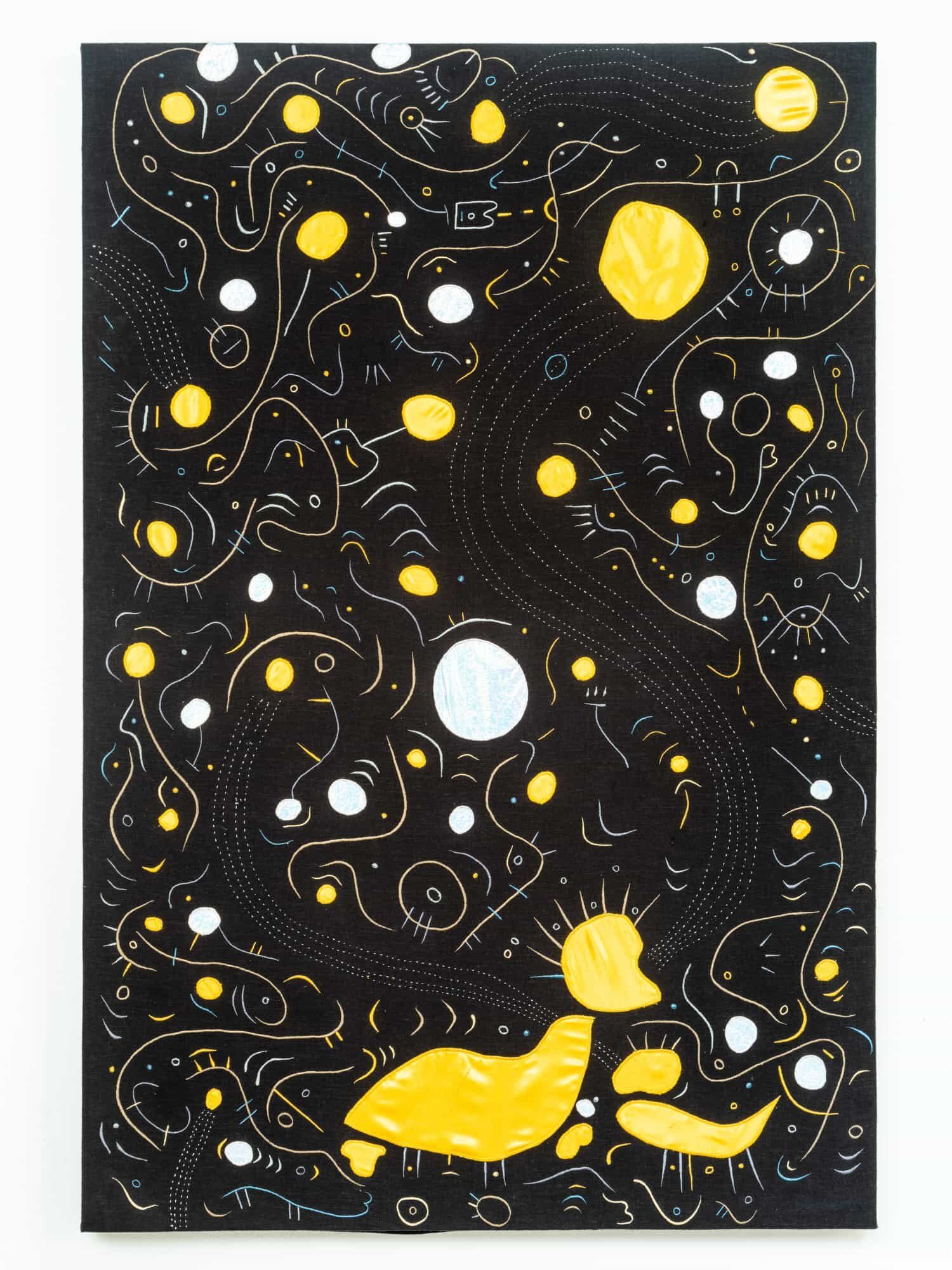 2011 – 2018 CRE8 Foundation
How do kids make art together across cultures?
Began as a four-month residency at Ramana's Garden Orphanage, Rishikesh. Grew into seven years of children's art workshops across more than forty countries. Wound down with intention in 2018 — a frame must hold its own weight.
-
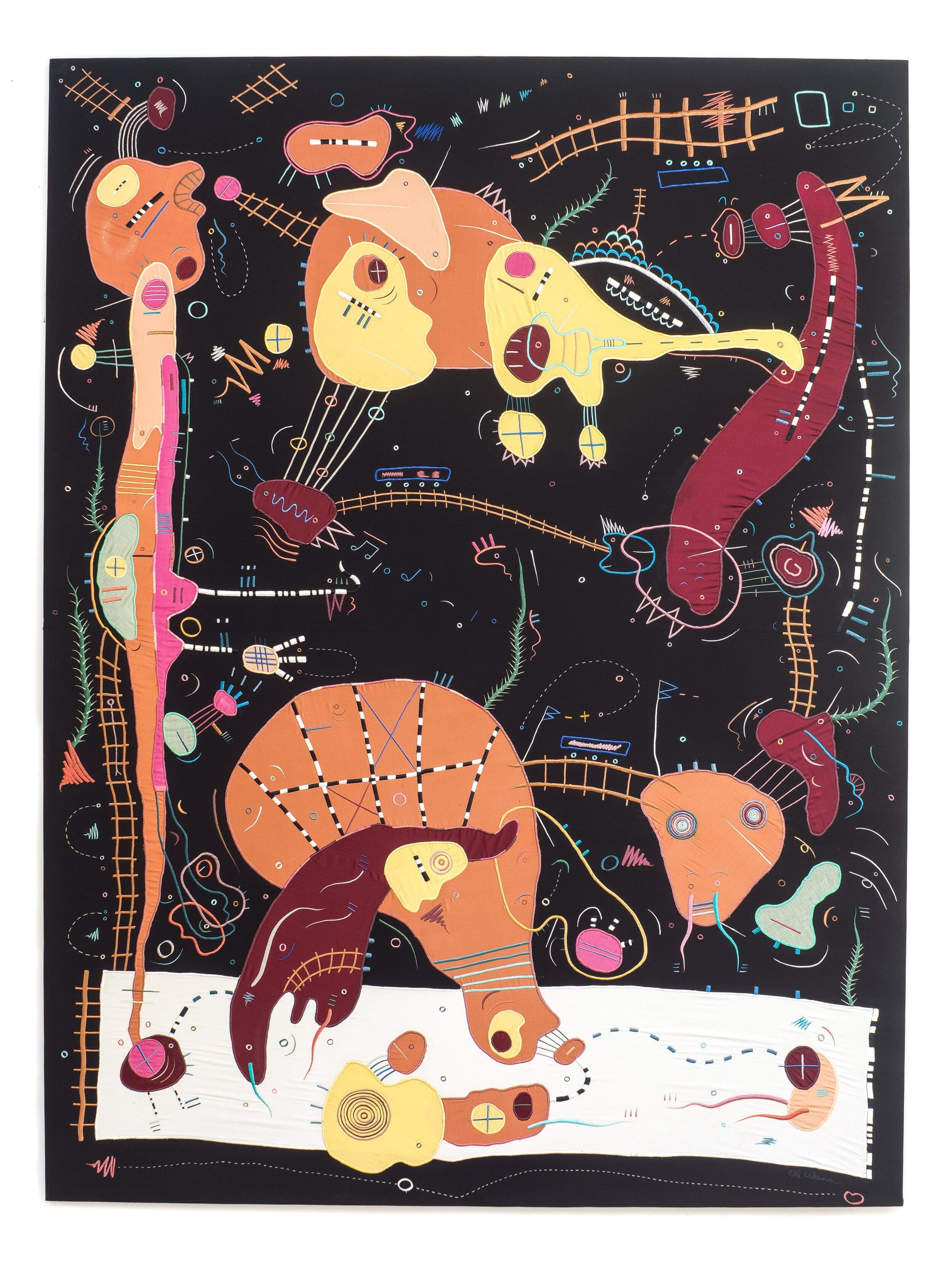 2013 – AIR Ubud
How do artists meet?
Downtown Ubud. Six units and one giant shared 300m² studio. Artists share the studio and meals. One unit is an apartment with its own kitchen. The format is communal — proximity is part of the condition.
-
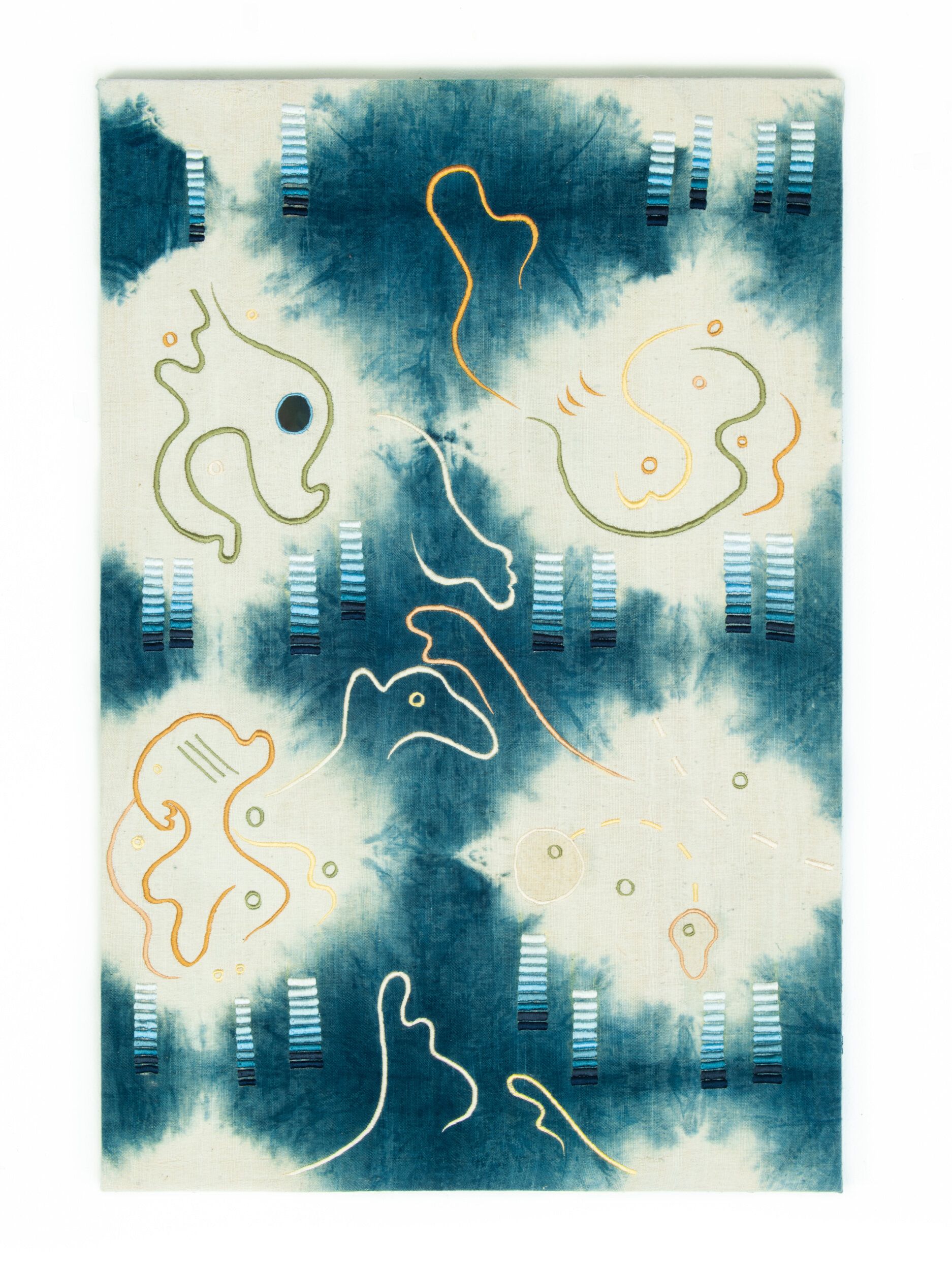 present AIR Temple
How does the residency condition translate into a different material?
For artists who need their own studio and more quiet. Four houses in Desa Kenderan, twelve minutes from Ubud — beside a thousand-year-old water temple, near Tegalalang, a waterfall, a river, and full rice paddies. A small local Balinese village, away from the tourism center, still close enough for everything Ubud offers.
-
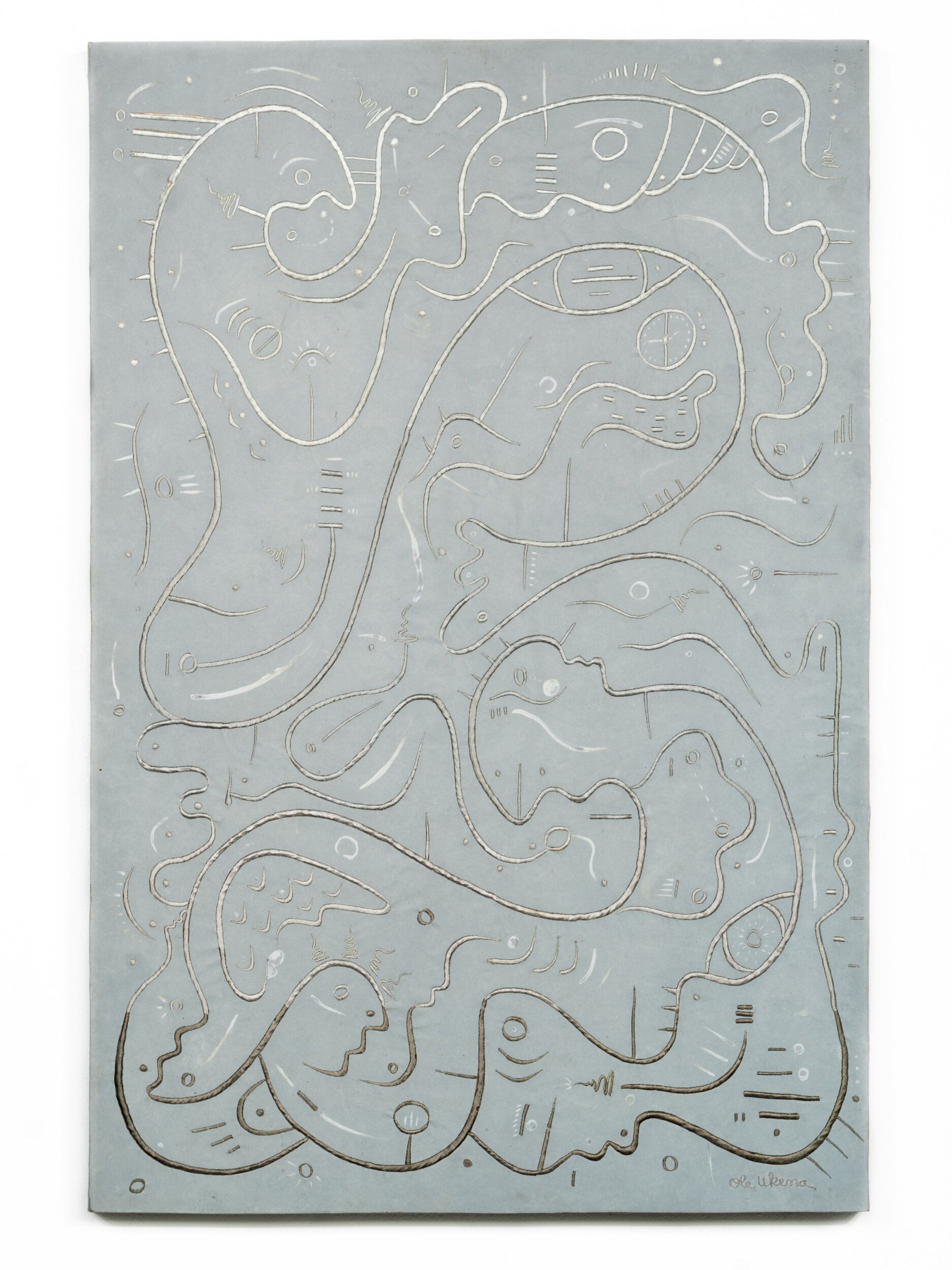 2020 – present UKENA
How does a piece move through the world on a body?
Wearable conceptual artwork. A seven-layer authorship chain in which the wearer is named co-author — signing their name and three values inside the garment.
-
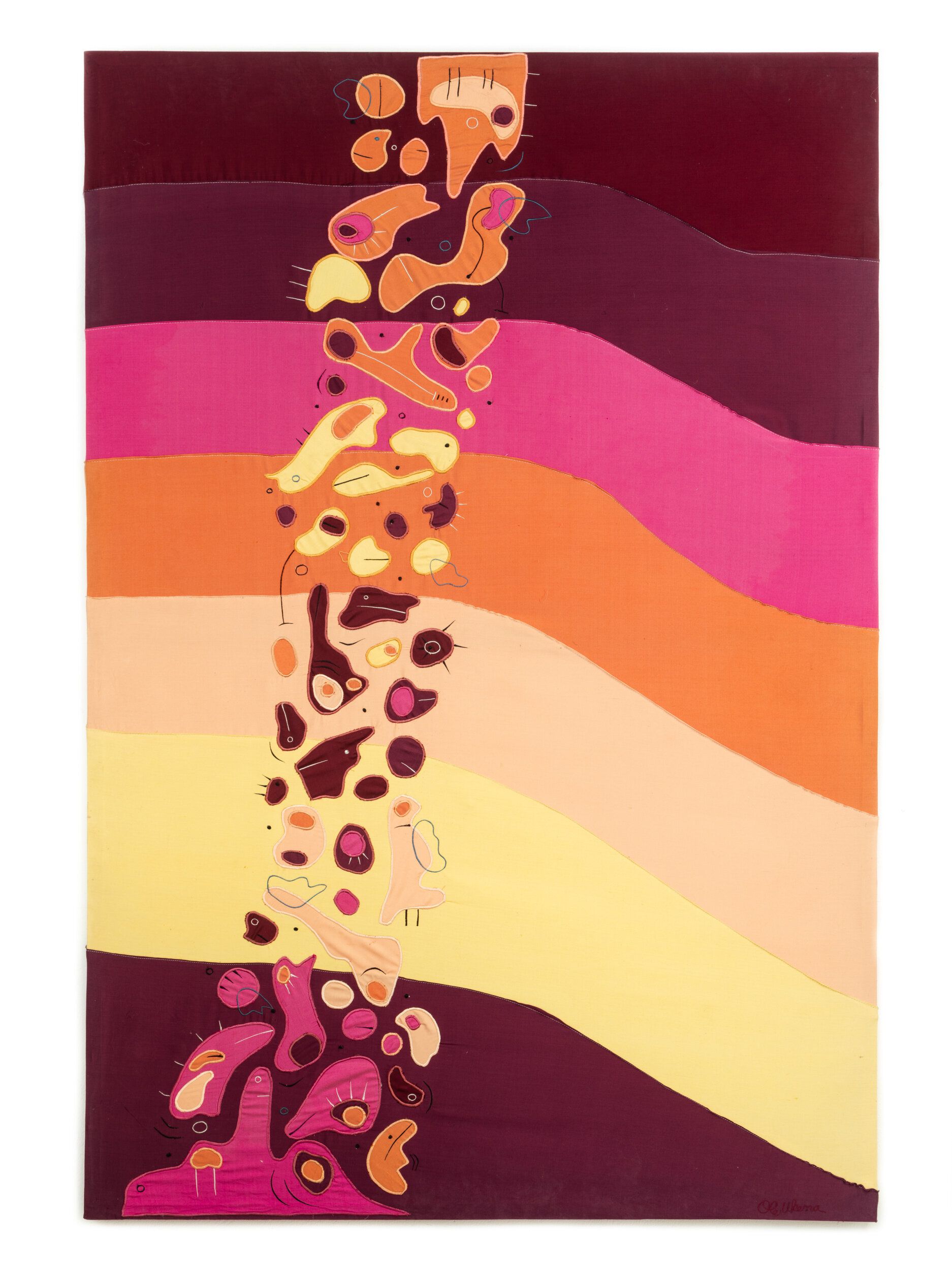 2024 – present I AM YOU
How does music gather a room?
Electronic music label co-founded with Deer Jade. Named collaborations including AI as one collaborator among several. The human hand-mark is made mandatory and visible.
-
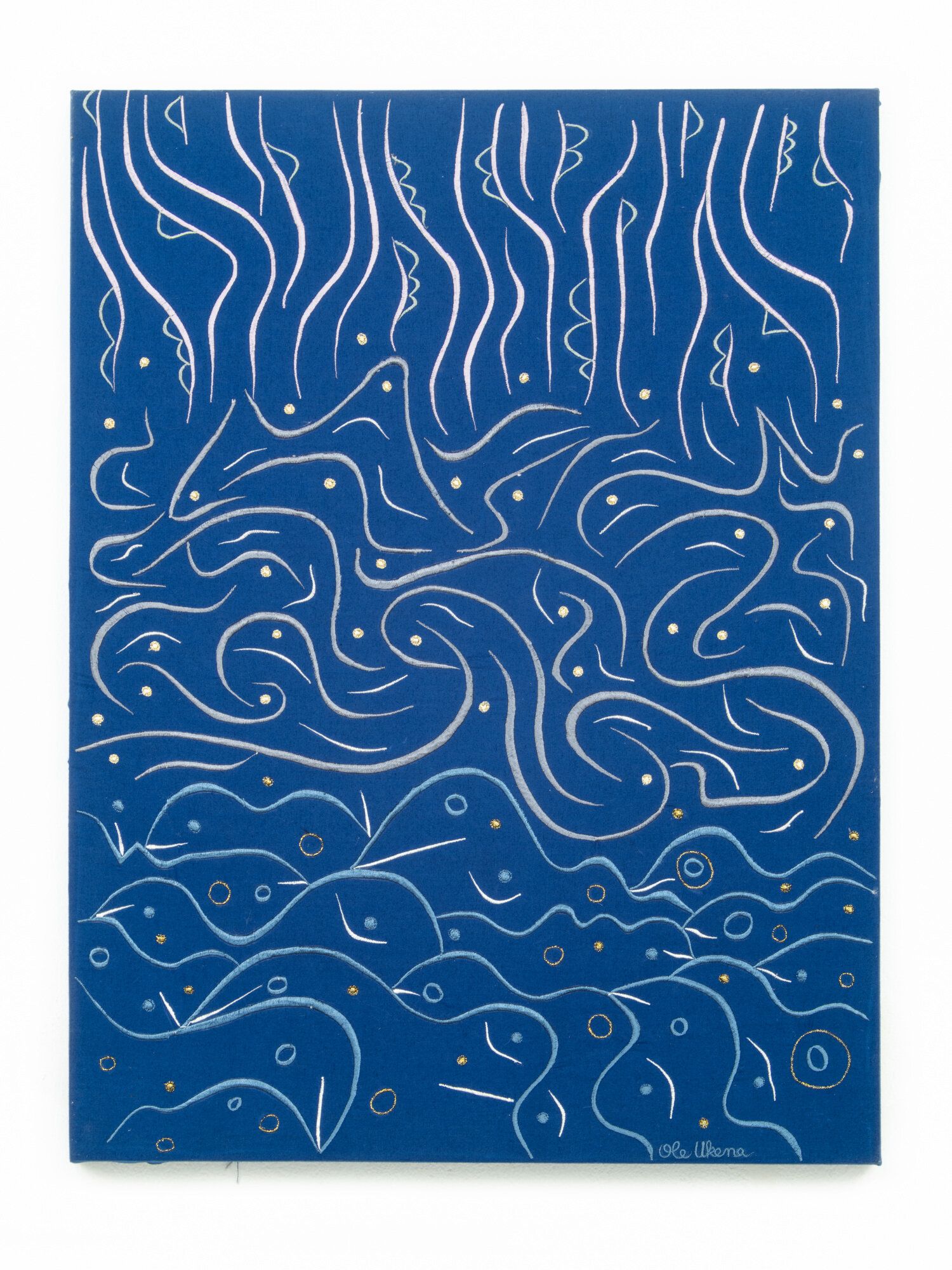
How does a method become available to anyone?
Twenty years of the methodology in one form.
-
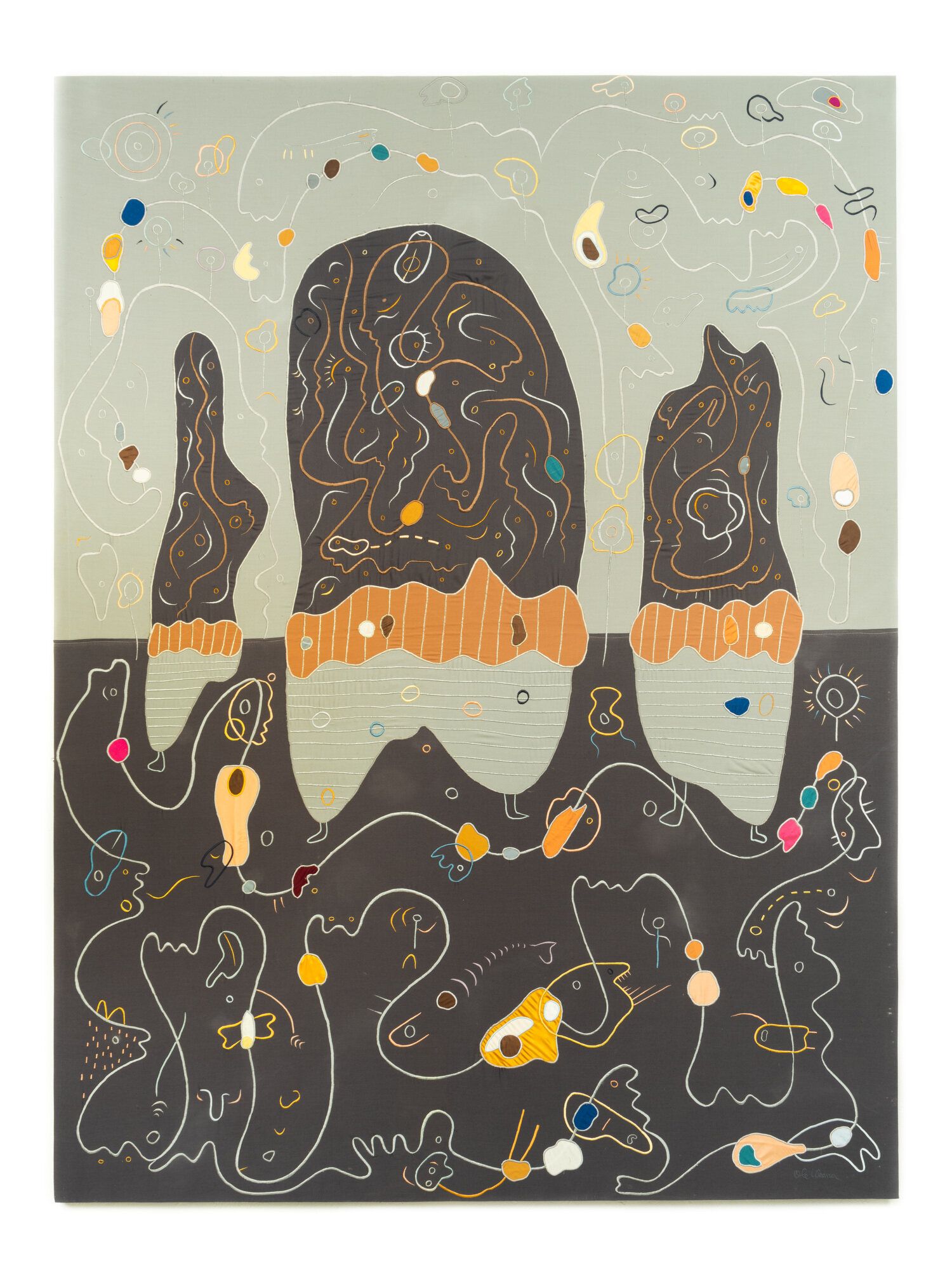 2026 CINIS
How does a contract live alongside a wedding?
A wedding artwork structured as a legal contract with a programmed seven-year fade after both subjects' deaths.